Our service

One simulation.
Sixteen ways to create value.

We simulate one or more treatments in one or more patient populations. Each project combines the modules needed to answer the client's scientific and strategic questions.

These images show results from previous studies and illustrate the analyses available within each module. Deliverables use the data, treatments, populations and objectives agreed with each client.

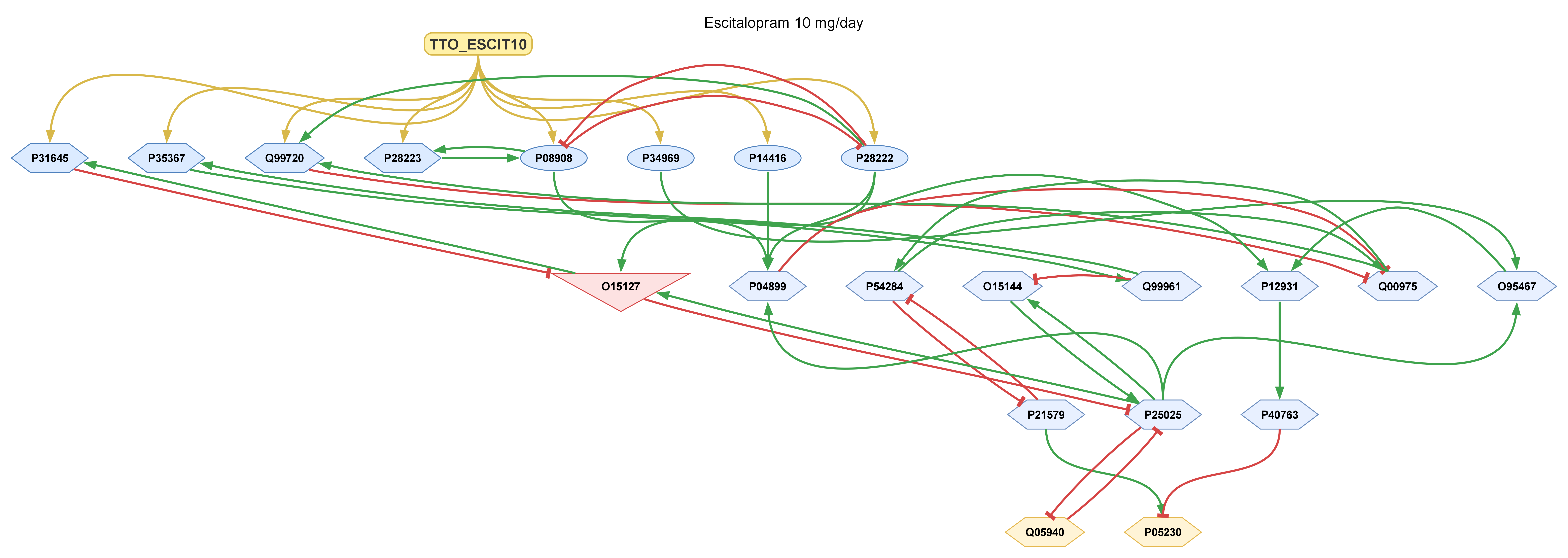
Example of a mechanism of action network from a previous study

MODULE 01

Treatment mechanisms of action

Reconstruct each treatment's mechanism in the molecular context of the disease and population under study.

Learn more
What is it for?
Understand how a treatment acts beyond its direct targets. See how signals reach processes and effectors associated with the disease.
What is analysed?
Targets, intermediate proteins, activation, inhibition, convergence points, effectors and relevant pathways.
Is variation between patients studied?
Yes. We calculate the mechanism in individual virtual patients, then identify the most consistent signals across the population.
What scientific insights does it provide?
A traceable explanation of the treatment's molecular pathways and the elements that amplify, transmit or reduce its effect.
What does the client receive?
Mechanistic maps, protein tables, target and effector analyses, pathways and a scientific interpretation of the results.
Where can it be applied?
Scientific differentiation, medical and marketing materials, scientific support for claims, experimental planning and development decisions.
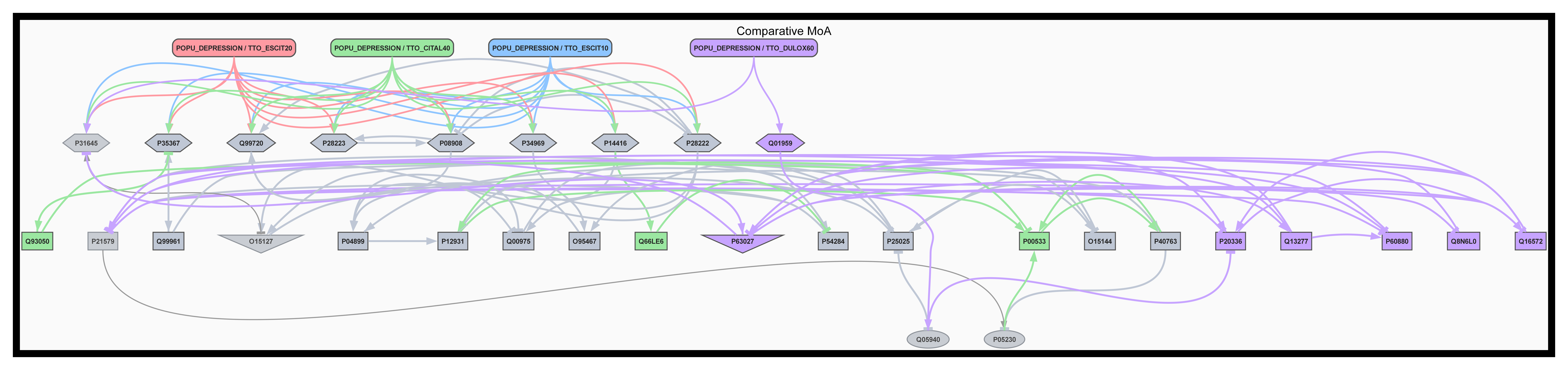
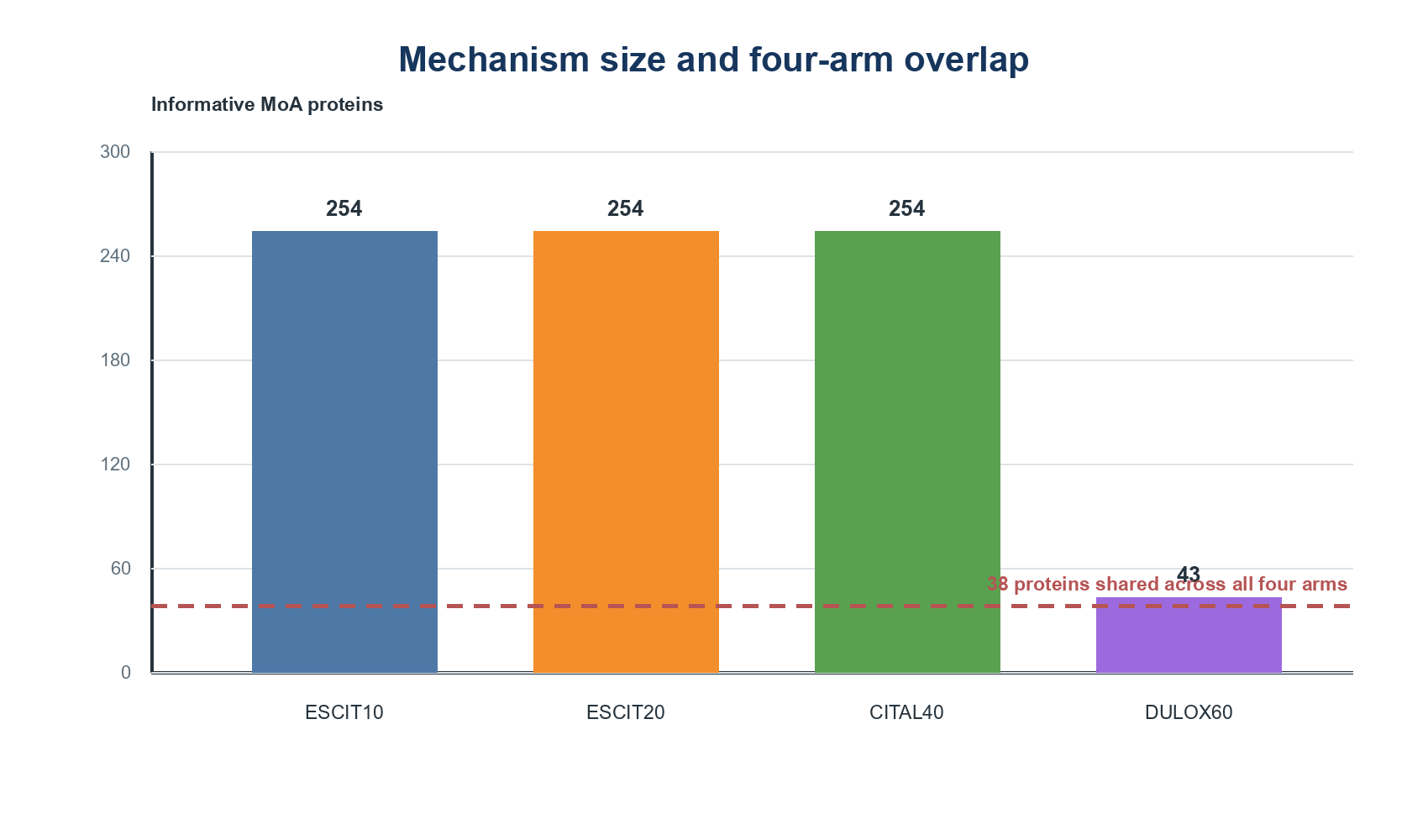
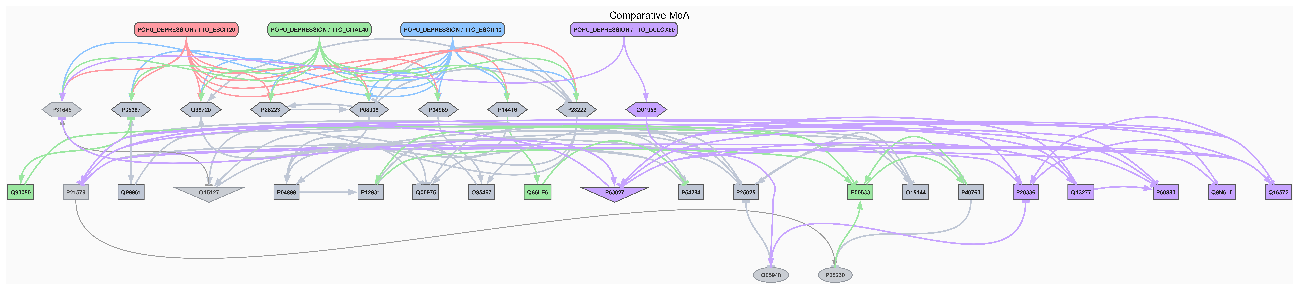
Example of a mechanism of action comparison from a previous study

MODULE 02

Comparison of mechanisms of action

Compare treatments, doses or therapeutic strategies to identify shared and distinct mechanisms.

Learn more
What is it for?
See how different options act on the same biological system. Identify common mechanisms and features that can support scientific differentiation.
What can be compared?
Drugs, doses, dosing schedules, combinations or therapeutic strategies.
What scientific insights does it provide?
Shared and unique pathways, differences in intensity, distinct effectors and the relative contribution of each treatment's mechanisms.
Are comparable populations used?
Yes. The options are applied to equivalent virtual populations to support direct comparison.
What does the client receive?
Comparative networks, rankings, heatmaps, tables of differences and a summary of the mechanisms that distinguish each option.
Where can it be applied?
Medical positioning, competitor comparisons, selection of treatment options and development of scientific arguments.
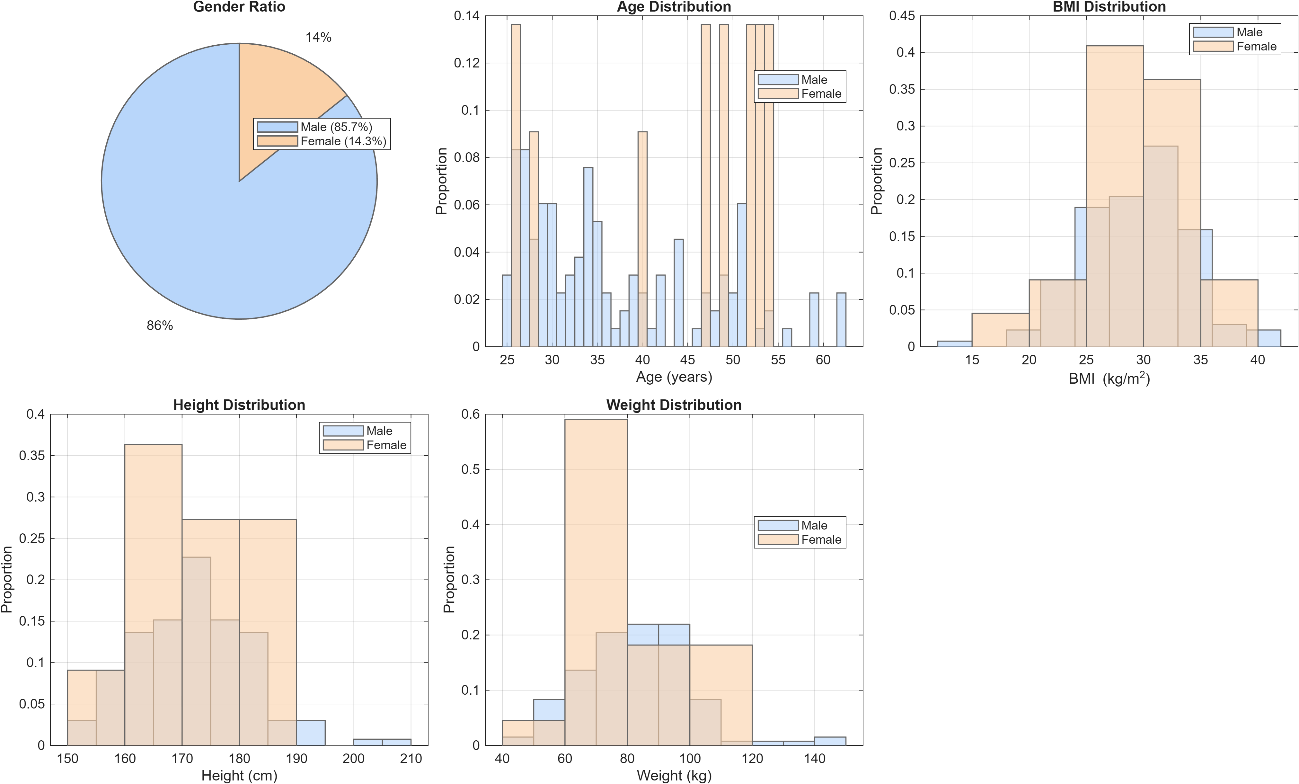
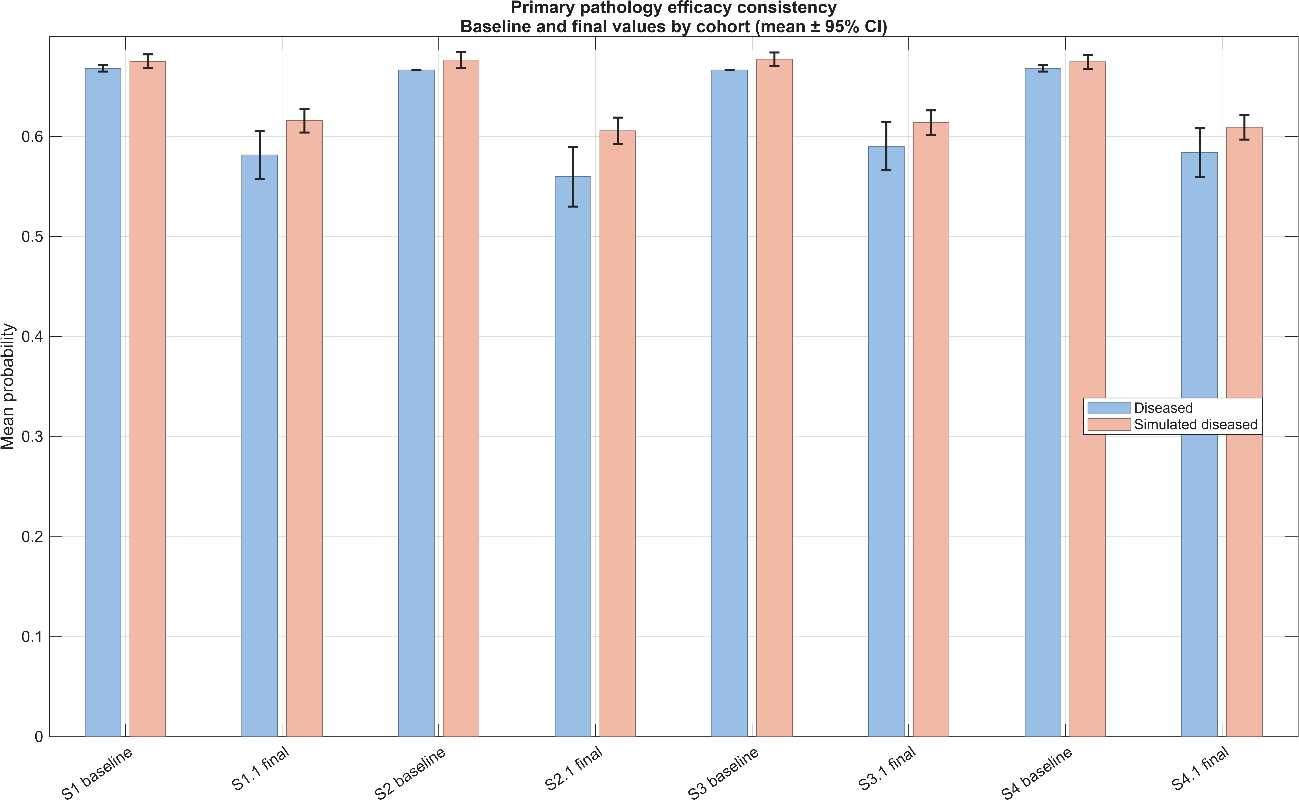
Example of population characterisation from a previous study

MODULE 03

Virtual human twins and patient populations

Create virtual patients and diverse populations to study biological variation in treatment response.

Learn more
What are virtual patients used for?
They allow us to study how the same treatment can produce different responses in biologically different people.
How is a virtual population built?
We start with real human molecular profiles. We select or adapt them to reproduce the project's clinical, molecular and demographic criteria.
Can diseases with limited patient data be studied?
Yes. We can reproduce known disease alterations in healthy profiles and select virtual patients that meet the disease definition.
How large can a cohort be?
We usually work with 500 to 1,000 virtual patients per cohort. The design can be expanded to a few thousand.
Which characteristics can be represented?
Molecular states, clinical variables, age, sex, exposure and other criteria defined with the client.
What does the client receive?
Cohort characteristics, distributions, and individual and population treatment responses.
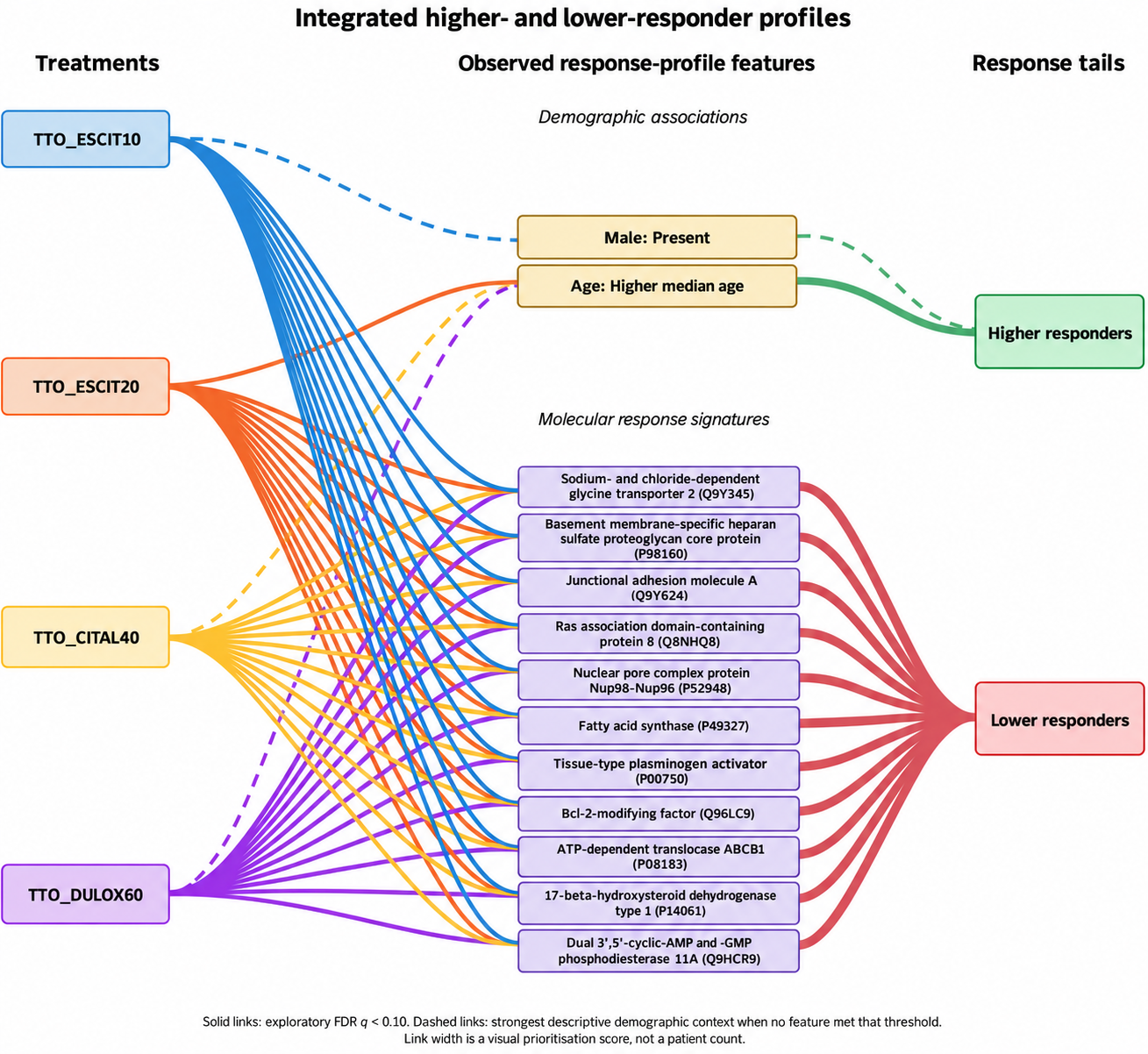
Example of higher and lower responder profiles from a previous study

MODULE 04

Response characterisation and stratification

Identify response profiles, subpopulations and differences between patients with higher and lower simulated benefit.

Learn more
What is it for?
Understand why some patients respond more or less strongly, and identify groups with distinct characteristics.
How is a responder defined?
The platform can build the definition around the project objectives. Clients can also provide their own endpoints, thresholds or criteria.
How are higher and lower responders compared?
We analyse the ends of the response distribution to identify baseline differences, molecular changes and mechanisms associated with each profile.
What scientific insights does it provide?
Clinical and molecular profiles, differential proteins, pathways and mechanisms specific to each response group.
What does the client receive?
Patient segments, subgroup maps, ranked characteristics and visual profiles of higher and lower responders.
Where can it be applied?
Population selection, biomarker strategy, study design and precision medicine.
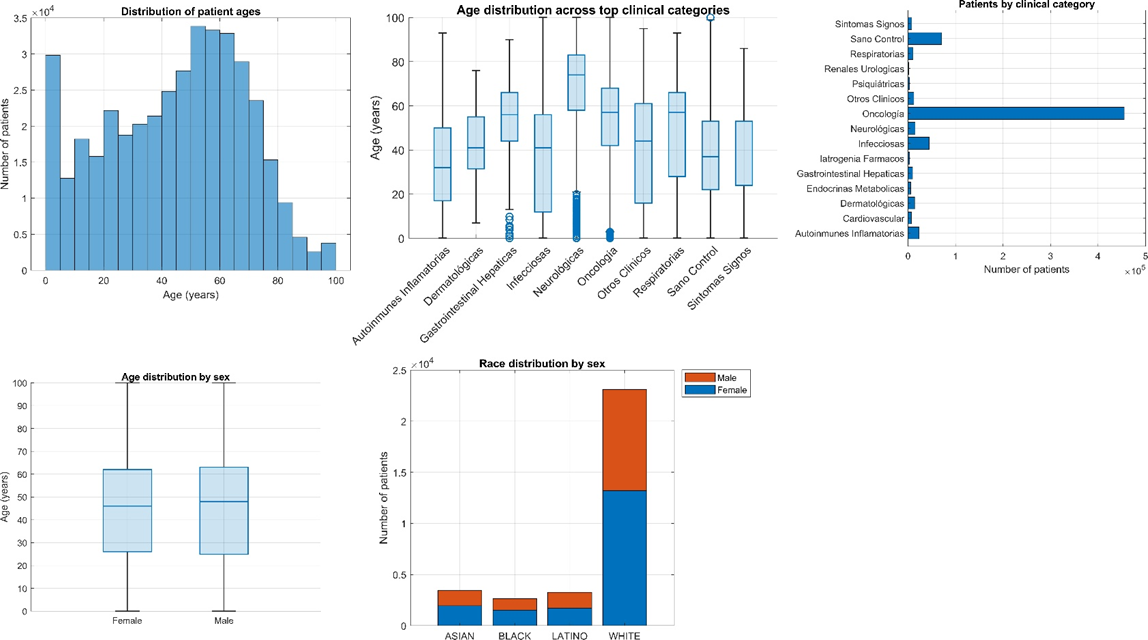
Example of available human data characterisation from a previous study

MODULE 05

Real-world molecular and clinical data analysis

Integrate molecular and clinical evidence to build populations and mechanistic scenarios tailored to each project.

Learn more
What is it for?
Turn available molecular and clinical data into populations and scenarios that can be analysed within one study.
Is this a meta-analysis?
No. Published data help define the scenario. The simulation uses individual molecular models built from real human data.
What data can be used?
Individual or aggregate molecular and clinical data from public repositories, clients or collaborators.
What does the in-house repository provide?
It brings together human molecular profiles from GEO and supports patient selection for different diseases and populations.
Can client data be incorporated?
Yes. We use these data as constraints to adapt populations, mechanisms and scenarios to the company's evidence.
What does the client receive?
Characterised cohorts, heterogeneity analyses, molecular and clinical associations, and results traceable to their sources.
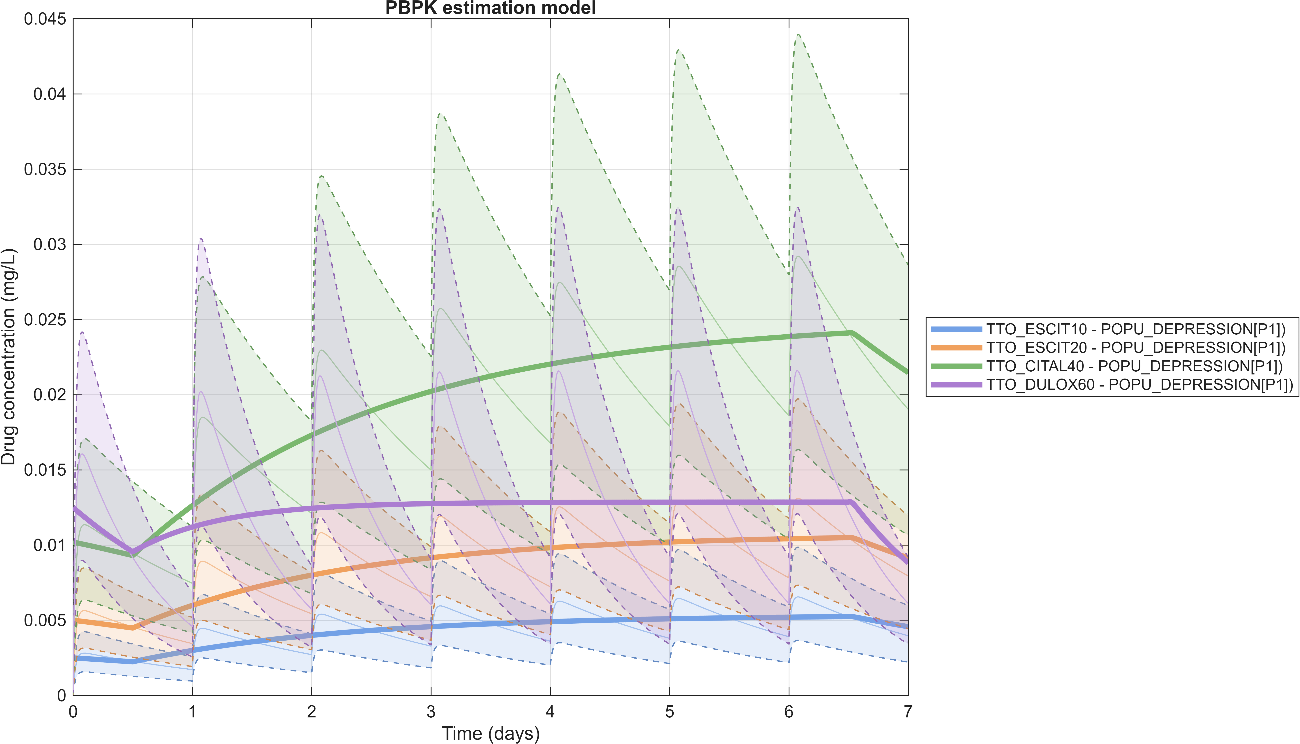
Example of pharmacokinetic simulation and exposure from a previous study

MODULE 06

Therapeutic scenario simulation

Compare doses, dosing schedules, administration routes, exposure and therapeutic conditions.

Learn more
What is it for?
Explore therapeutic decisions before running new studies.
Which scenarios can be studied?
Doses, schedules, duration, administration routes, exposure, comparators, endpoints and conditions defined by the client.
How is exposure incorporated?
We can build PBPK models using public information and refine them with the client's pharmacokinetic or exposure data.
Is individual variability considered?
Yes. Each virtual patient's characteristics can influence their effective exposure and molecular response.
What does the client receive?
Exposure curves, population distributions, scenario comparisons and maps of the associated mechanistic effects.
Where can it be applied?
Dose selection, dosing schedule comparisons, study design and prioritisation of therapeutic scenarios.
Example of results compared across cohorts from a previous study

MODULE 07

Population simulation and comparison

Evaluate the same treatment in populations with different clinical, molecular or demographic characteristics.

Learn more
What is it for?
Understand how response changes across populations. Identify groups with greater benefit or distinct mechanisms.
Which populations can be compared?
Populations defined by disease, subtype, age, sex, biomarkers, comorbidities, geographical location or other available criteria.
Can client populations be used?
Yes. Client data can be incorporated and compared with repository cohorts or virtual populations designed for the study.
What scientific insights does it provide?
Differences in response, exposure, mechanisms, effectors and molecular profiles across populations.
What does the client receive?
Population comparisons, response distributions, maps of differences and prioritisation of the most relevant groups.
Where can it be applied?
Segmentation, study design, medical strategy, market selection and definition of target populations.
Example of a mechanistic comparison of therapeutic strategies from a previous study

MODULE 08

Combination therapy simulation

Evaluate two or more treatments administered together.

Learn more
What is it for?
Explore how different mechanisms combine to improve efficacy, biological coverage or the safety profile.
What can be simulated?
Combinations of treatments, doses, schedules and sequences applied to the same virtual population.
What scientific insights does it provide?
Complementary effects, redundancy, convergence, interference and combined effects on targets and effectors.
Is the combination compared with monotherapies?
Yes. We can analyse the combination alongside each individual treatment to identify its added value.
What does the client receive?
Combined maps, comparison matrices, contributions of individual components and prioritised combinations.
Where can it be applied?
Combination selection, study design, differentiation and treatment optimisation.
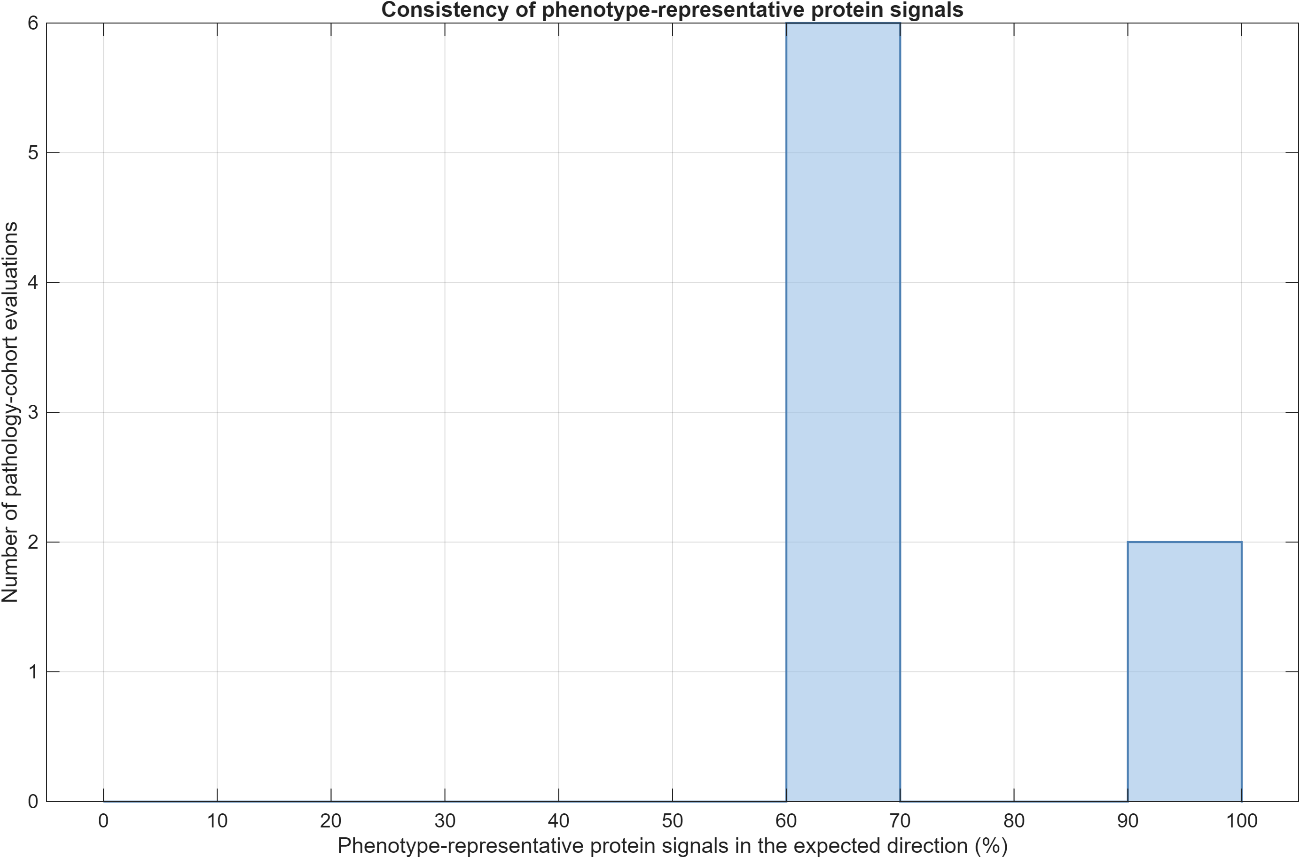
Example of molecular signal consistency from a previous study

MODULE 09

Drug safety and adverse effect mechanisms

Identify mechanistic safety signals and the biological pathways that may explain them.

Learn more
What is it for?
Detect safety-related signals and identify diseases or biological processes that may be affected.
What is analysed?
We compare the treatment signal with a broad catalogue of secondary diseases and identify the associated mechanisms.
Is patient diversity considered?
Yes. We study signals in virtual populations and can compare them across cohorts.
What scientific insights does it provide?
Potentially associated diseases, targets, effectors, pathways and population consistency for each signal.
What does the client receive?
Ranked signals, safety profiles and interpretable mechanistic maps.
Where can it be applied?
Risk prioritisation, study planning, treatment evaluation and development of scientific arguments.
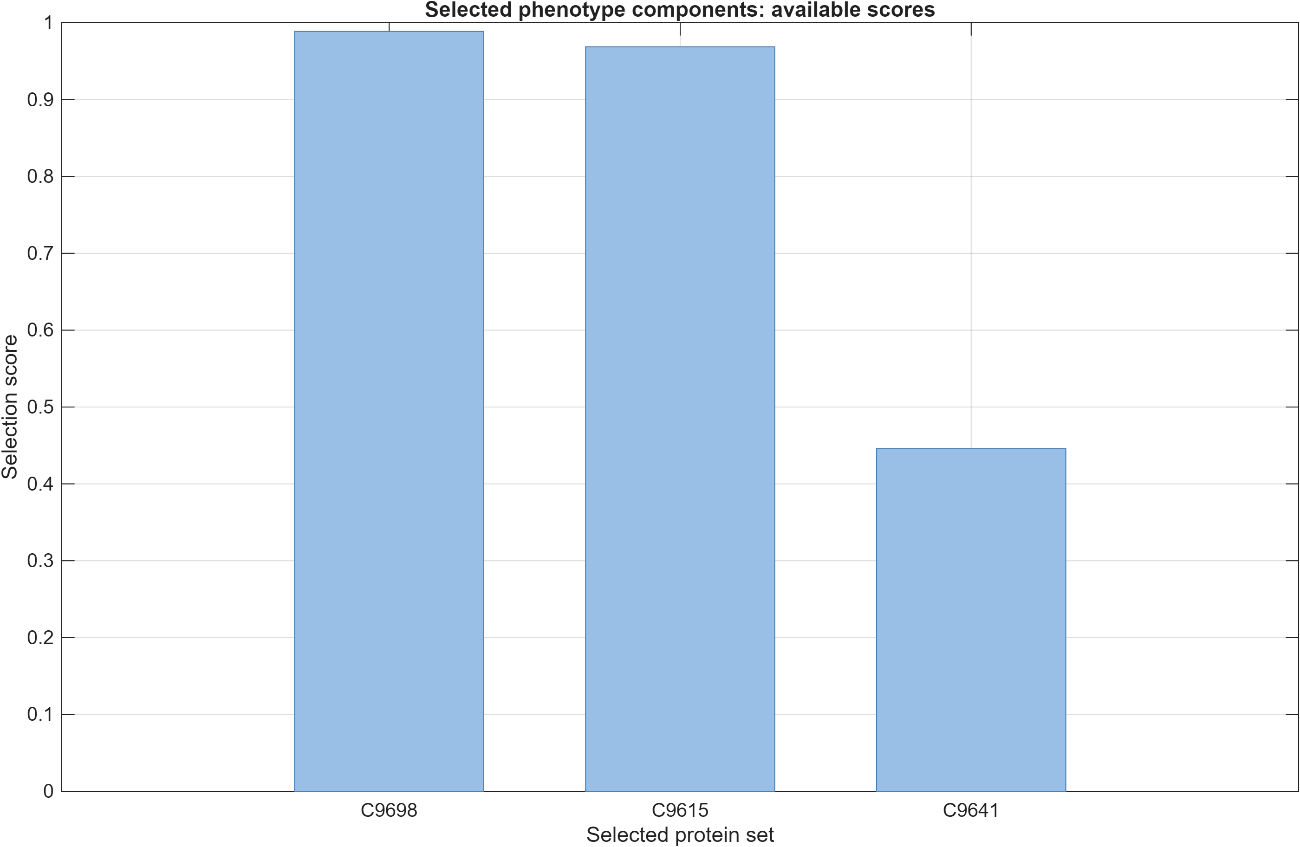
Example of prioritised phenotypic components from a previous study

MODULE 10

New indication opportunities

Identify diseases that match a treatment's mechanism and prioritise new opportunities.

Learn more
What is it for?
Discover where a treatment may offer additional value.
How are new indications identified?
We compare the treatment mechanism with the effectors and molecular states of a broad catalogue of diseases.
What scientific insights does it provide?
Drug-disease matches, supporting mechanisms, consistency across cohorts and related evidence.
Which treatments can be studied?
Marketed medicines, treatments in development, biologics, combinations and other interventions with definable molecular effects.
What does the client receive?
Ranked candidate indications, mechanistic maps and an explanation of each opportunity.
Where can it be applied?
Drug repurposing, indication expansion, lifecycle strategy and prioritisation of validation studies.
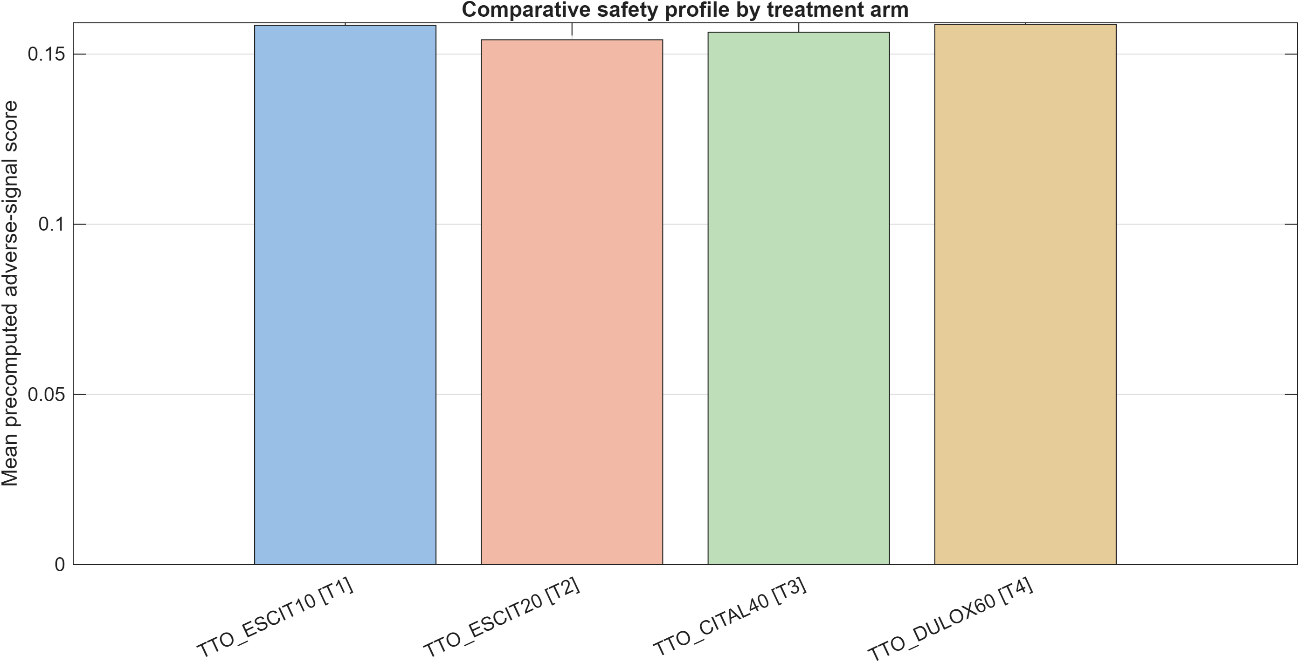
Example of mechanistic safety profile comparisons from a previous study

MODULE 11

Comparative safety positioning

Compare the mechanistic safety profiles of different treatments or therapeutic strategies.

Learn more
What is it for?
Show how a treatment differs from its comparators in terms of safety.
What can be compared?
Drugs, doses, schedules, combinations and populations assessed using the same criteria.
What scientific insights does it provide?
Differences in signals, potentially associated diseases, mechanisms and consistency across populations.
Can a comparative advantage be identified?
Yes. The analysis highlights areas where a treatment has a comparatively favourable mechanistic profile.
What does the client receive?
Comparative profiles, rankings, maps of differences and traceable scientific arguments.
Where can it be applied?
Medical and marketing strategy, competitive differentiation, evidence planning and scientific support for claims.
Example of a comparative treatment network from a previous study

MODULE 12

Interactions with other drugs

Evaluate how concomitant medication may modify mechanisms of efficacy or safety.

Learn more
What is it for?
Identify treatments that may strengthen, reduce or modify the main drug's mechanism.
Which interactions can be studied?
Specific medicines, therapeutic classes or drugs identified through their proximity to relevant targets, effectors and pathways.
What scientific insights does it provide?
Convergence points, shared pathways, signals acting in compatible or opposing directions, and potentially more sensitive populations.
Can dose be incorporated?
Yes. When suitable data are available, interactions can be studied within dose and exposure scenarios.
What does the client receive?
Ranked interactions, mechanistic networks, population comparisons and priorities for further evaluation.
Where can it be applied?
Concomitant medication, study design, safety, clinical practice and combination planning.
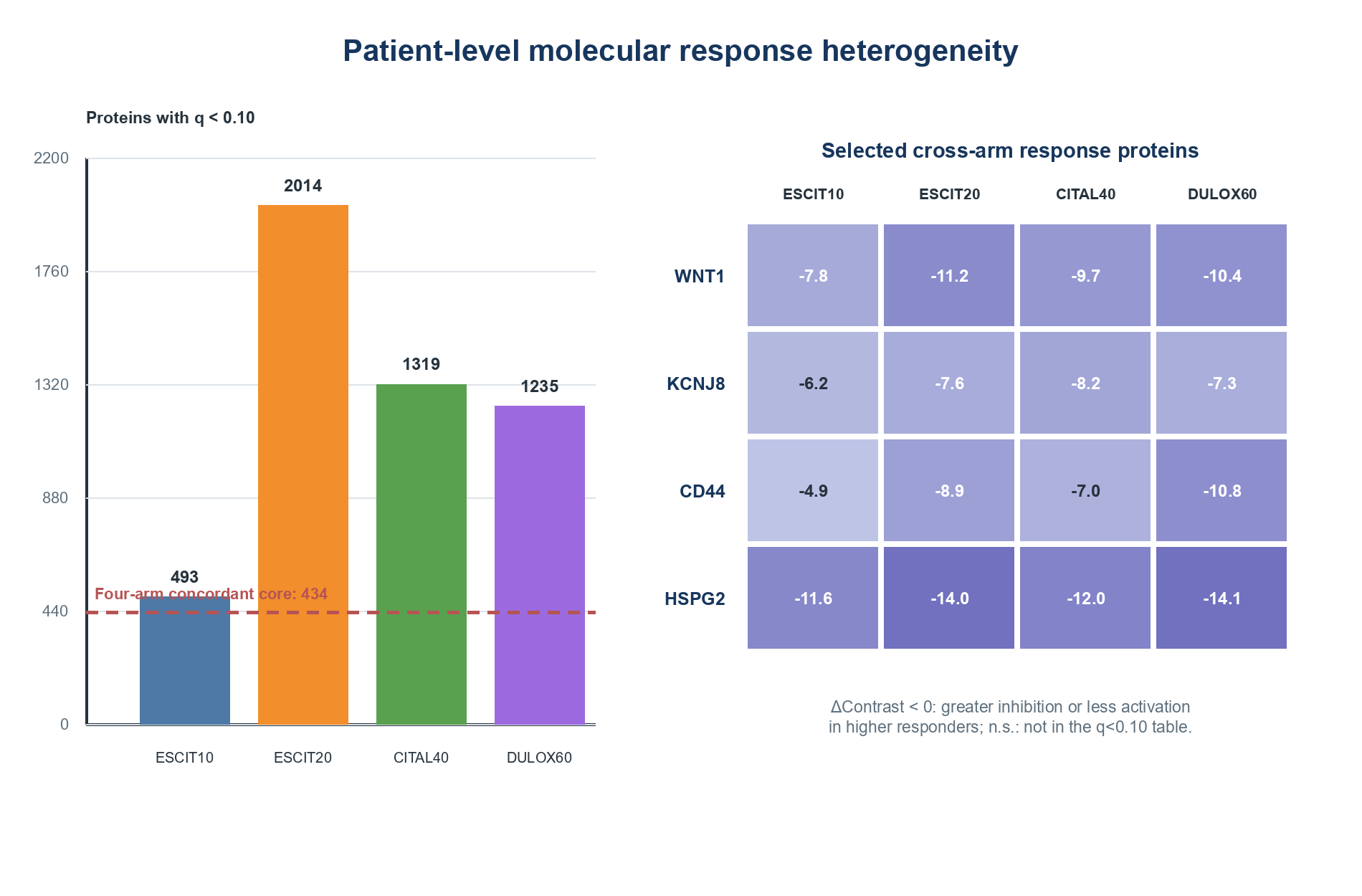
Example of response-associated molecular heterogeneity from a previous study

MODULE 13

Efficacy biomarkers

Identify molecular signals associated with response, therapeutic benefit and mechanisms of efficacy.

Learn more
What is it for?
Identify characteristics associated with a stronger treatment response.
Which biomarkers can be studied?
Baseline characteristics, changes after treatment, mechanistic proteins, pathways and combinations of clinical and molecular variables.
How are candidates prioritised?
We assess association, consistency, position within the mechanism and agreement with external evidence.
Can client data be used?
Yes. Client data can strengthen and tailor candidate selection.
What does the client receive?
Rankings, subgroup profiles, mechanistic maps, related evidence and a validation proposal.
Can validation be extended?
Yes. We can collaborate with physicians, hospitals and universities according to the disease and specialist availability.
Example of proteins prioritised by mechanistic influence from a previous study

MODULE 14

Safety biomarkers

Identify molecular signals associated with susceptibility, tolerability and safety mechanisms.

Learn more
What is it for?
Recognise profiles that may show a stronger safety signal or respond differently to the same treatment.
Which biomarkers can be studied?
Baseline proteins, induced changes, secondary disease effectors, pathways and combinations of clinical and molecular features.
How are candidates linked to the mechanism?
Each candidate is mapped to the pathways connecting the treatment with the safety signal under study.
Is population consistency assessed?
Yes. Candidates can be compared across cohorts, treatments and exposure scenarios.
What does the client receive?
Rankings, susceptibility profiles, mechanistic maps and validation priorities.
Where can it be applied?
Stratification, scientific pharmacovigilance, study design and safety differentiation.
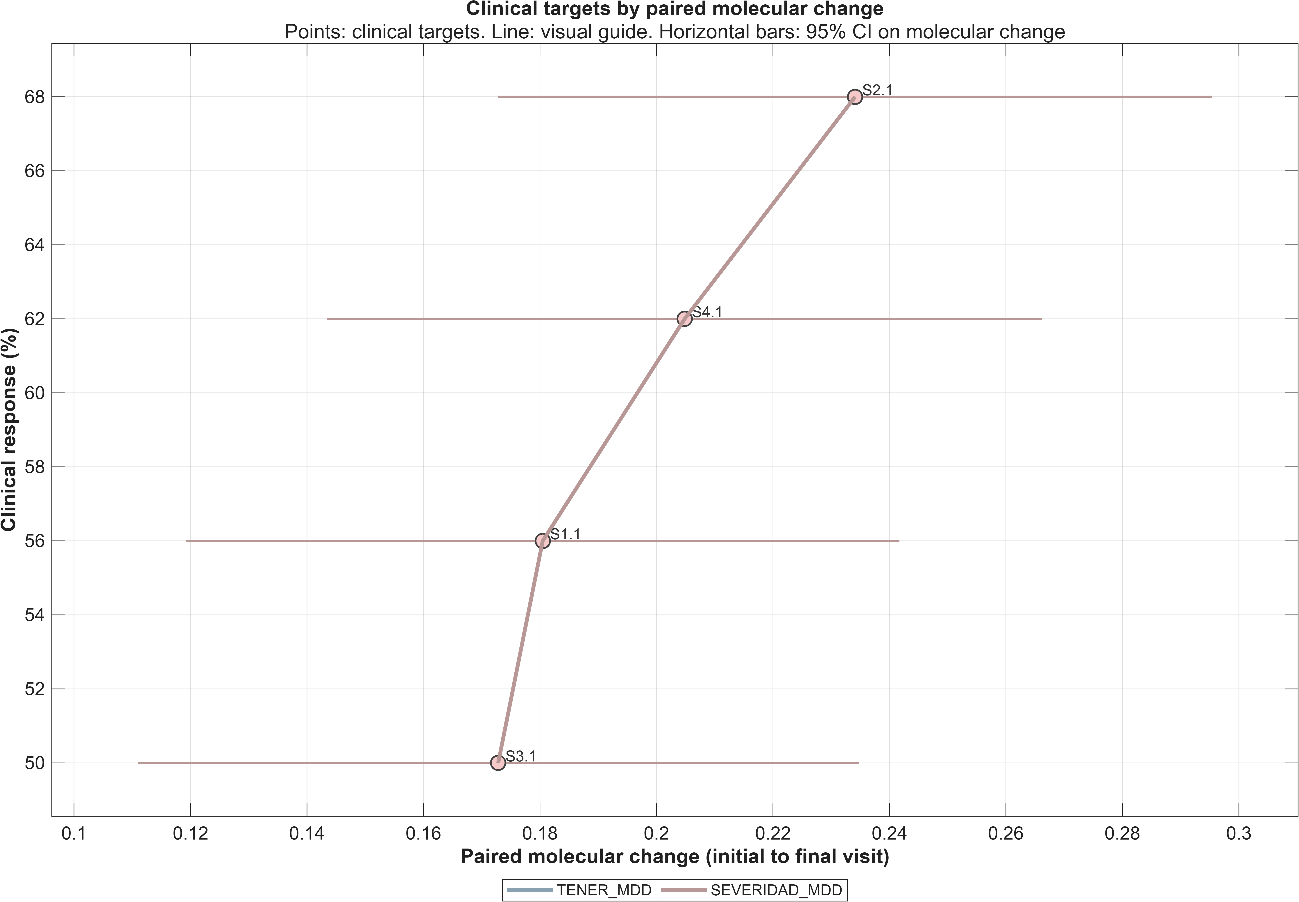
Example of molecular change linked to clinical response from a previous study

MODULE 15

Disease progression and prognostic biomarkers

Identify signals associated with disease states, progression, and clinical or molecular trajectories.

Learn more
What is it for?
Characterise how a disease may evolve and which profiles are associated with different trajectories.
What can be analysed?
Molecular states, clinical variables, longitudinal changes, disease effectors and subpopulation characteristics.
Can aggregate data be used?
Yes. Published evidence can define proportions and constraints that are then reproduced in individual virtual patient populations.
What scientific insights does it provide?
Candidates associated with progression, prognostic profiles, pathways and mechanisms that distinguish the trajectories studied.
What does the client receive?
Rankings, longitudinal profiles, mechanistic maps and a strategy for further evaluation.
Where can it be applied?
Natural history, population selection, monitoring, study design and biomarker strategy.
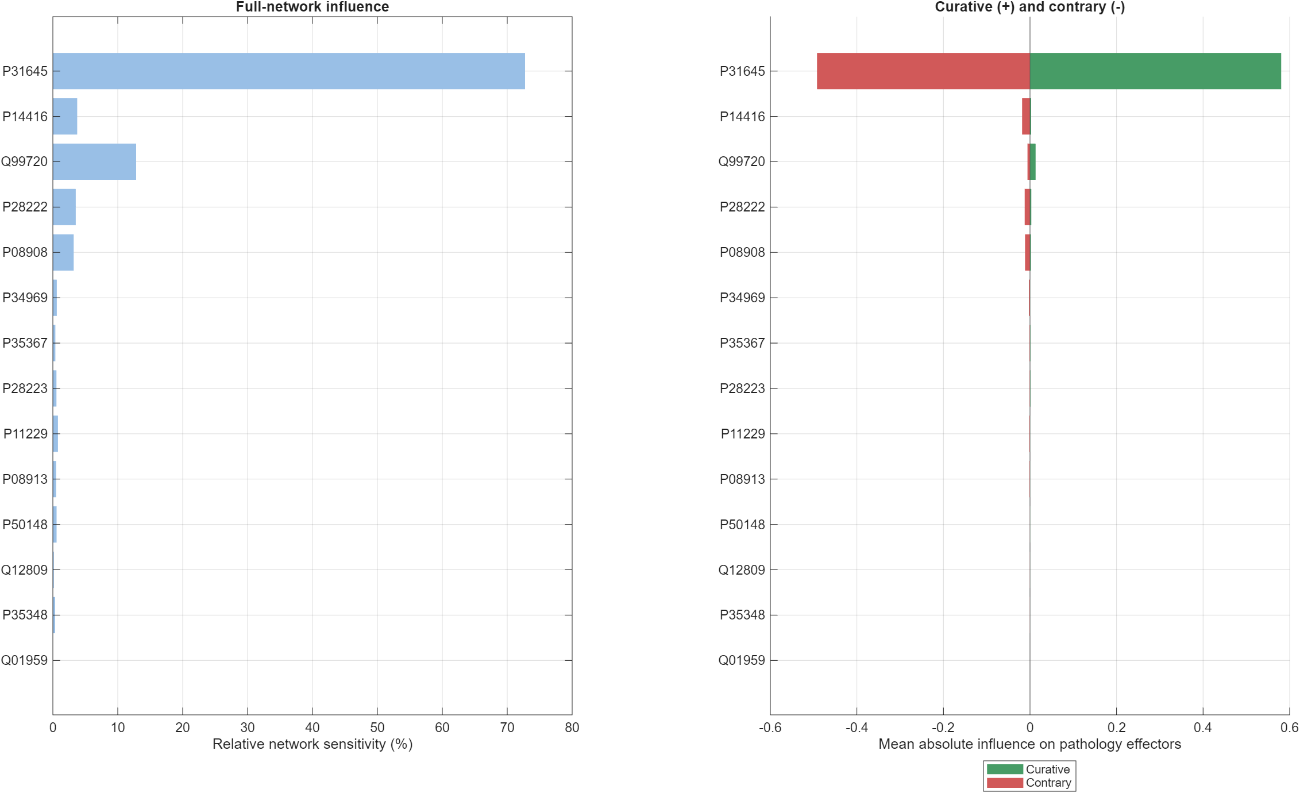
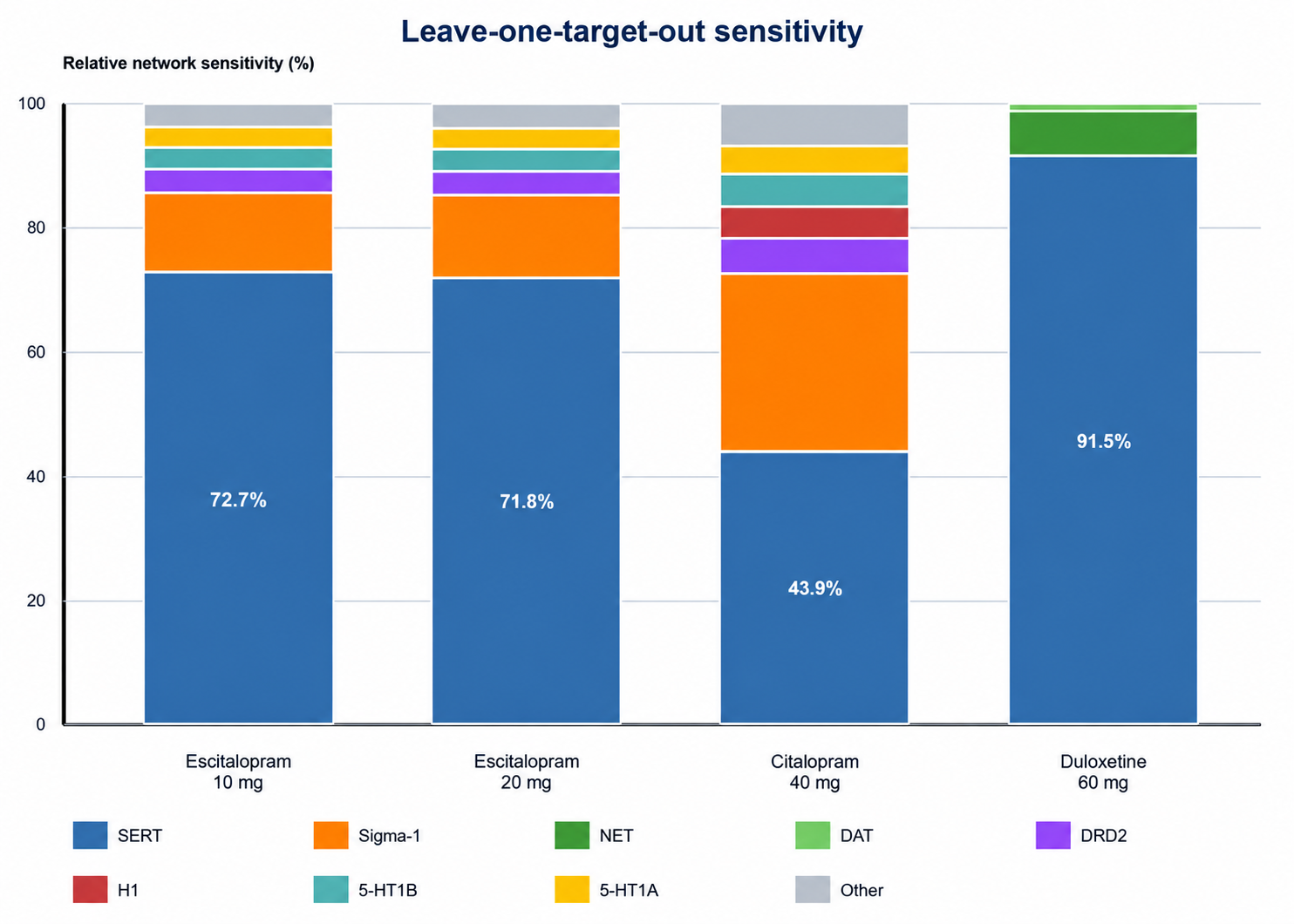
Example of therapeutic target sensitivity and contribution from a previous study

MODULE 16

Target and mechanistic pathway prioritisation

Prioritise targets, effectors and pathways, including comparisons of the proteins targeted by different treatments.

Learn more
What is it for?
Turn complex networks into scientific and experimental priorities.
How are target proteins compared?
We analyse the targets used by each treatment, their relative contribution, downstream pathways and the effectors reached.
What else is analysed?
Signal propagation, convergence points, intermediate proteins, recurrence across patients and associated pathways.
How are priorities established?
We combine sensitivity, impact on effectors, population consistency, differences between treatments and scientific evidence.
Can new targets be proposed?
Yes. The analysis can highlight intermediate proteins and control points of therapeutic or experimental interest.
What does the client receive?
Ranked targets and pathways, comparative maps and a scientific rationale for each priority.

Design your study

Choose the questions. We configure the modules.

Each project is built around the agreed objectives, treatments, populations and deliverables.

Get in touch →